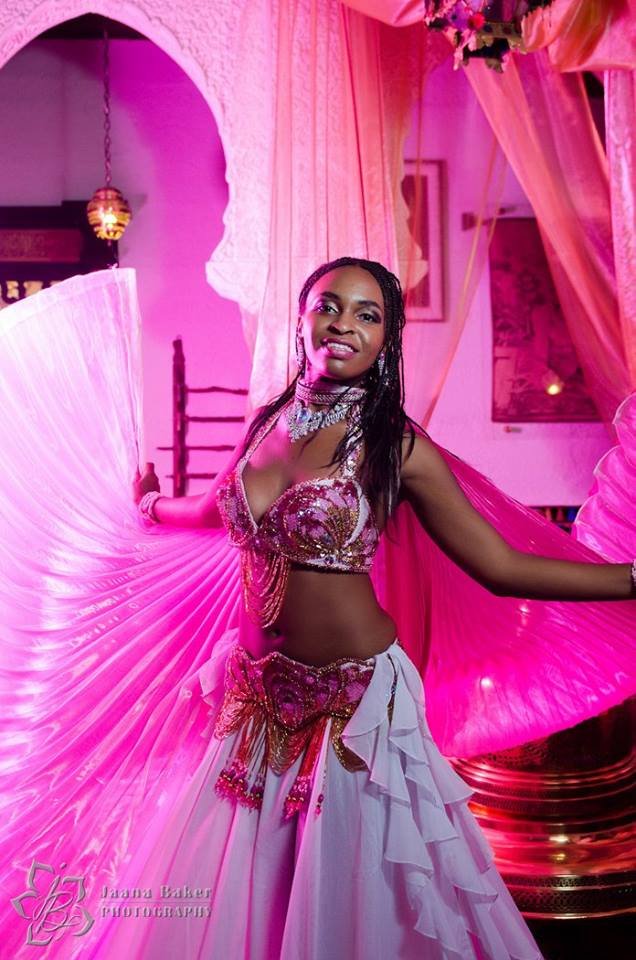
The Origins of Belly Dance: History, Celebration, and Culture
Belly dance is one of the world's oldest and most recognizable dance forms, celebrated for its expressive movements, intricate isolations, and deep connection to music and culture. While the dance is often associated with the Middle East, its origins are complex and influenced by a variety of regional traditions spanning North Africa, the Middle East, and parts of the Mediterranean.
Ancient roots and historical deveLOPMENT
The exact origins of belly dance remain a subject of debate among historians and dance scholars. Many believe the dance evolved from social and folk dances performed by women throughout the Middle East and North Africa. Some theories suggest that certain movements, particularly hip articulations and torso isolations, may have originated in dances related to community celebrations, fertility rituals, and rites of passage.
However, there is limited historical evidence connecting modern belly dance directly to ancient religious ceremonies. What is well documented is that various regional dances featuring hip-driven movements have been performed for centuries in countries such as Egypt, Turkey, Lebanon, and Morocco.
The term "belly dance" itself is a Western invention. It originated from the French phrase danse du ventre ("dance of the stomach"), which European travelers used to describe dances they encountered in the Middle East during the nineteenth century. In the Arab world, the dance is often referred to as raqs sharqi (Eastern Dance), particularly when discussing its theatrical stage form.
Belly Dance in Cultural Celebrations
Contrary to common Western misconceptions, belly dance is not traditionally a dance performed exclusively for stage audiences. Throughout much of the Middle East and North Africa, dance has long been a communal activity.
Belly dance and related folk dances are commonly performed during:
Weddings
Weddings are among the most important occasions for dance. In Egypt, Lebanon, and other parts of the region, professional dancers may entertain guests, while family members and friends join the dancing. Music and dance help create a festive atmosphere and celebrate the union of two families.
Engagement Parties
Pre-wedding celebrations often feature live music and dancing. Dancers may perform with props such as veils, candles, or candelabras as part of local traditions.
Festivals and Public Celebrations
National holidays, cultural festivals, and community events frequently include folkloric and theatrical dance performances. These presentations highlight regional identity and preserve traditional cultural practices.
Family Gatherings
Dance is often a social activity at birthdays, holidays, and family reunions. While professional belly dancers may be hired for large events, many people participate simply for enjoyment and community bonding.
Cultural Preservation Events
Folkloric dance ensembles perform traditional dances that represent village life, agricultural traditions, historical occupations, and regional customs. These performances help preserve cultural heritage for future generations.
The Evolution of Stage Belly Dance
During the late nineteenth and early twentieth centuries, belly dance began transitioning from social and folk settings into theatrical venues. Egypt played a particularly significant role in this transformation.
Cairo's entertainment industry developed a sophisticated stage style that blended traditional movements with influences from ballet, ballroom dance, and theatrical staging. Nightclubs, cinemas, and cabarets helped popularize this new performance format, which eventually became known as Egyptian raqs sharqi.
Famous dancers helped establish a glamorous stage presence featuring elaborate costumes, choreographed performances, and orchestral music. This theatrical form would go on to influence belly dancers around the world.
Cabaret vs. Folkloric Belly Dance
One of the most important distinctions in belly dance is the difference between cabaret and folkloric styles.
Cabaret Belly Dance
Cabaret belly dance is the theatrical, performance-oriented style most audiences recognize today.
Characteristics include:
Sequined two-piece costumes with beadwork and embellishments
Dramatic stage presentation
Complex choreography and musical interpretation
Use of props such as veils, swords, wings, or finger cymbals
Influences from multiple regional dance traditions
Focus on individual artistic expression
Cabaret dancers are often expected to demonstrate technical versatility and may perform a variety of rhythms and moods within a single routine.
In the United States, "American Cabaret" developed as a fusion style drawing from Egyptian, Turkish, Lebanese, and other Middle Eastern dance traditions. It emphasizes audience engagement and frequently incorporates improvisation.
Folkloric Belly Dance
Folkloric dance refers to traditional regional dances rooted in the daily lives and customs of specific communities.
Characteristics include:
Traditional clothing reflecting local culture
Movement vocabulary specific to a region
Representation of occupations, celebrations, and social customs
Historically and culturally grounded music
Group choreography common in many performances
Examples include:
Saidi from Upper Egypt, often danced with a cane.
Ghawazee-inspired styles, reflecting historical dancing communities in Egypt.
Debke, a line dance popular throughout the Levant.
Fellahi, representing Egyptian rural agricultural life.
Khaleegy, originating in the Gulf countries and emphasizing flowing hair and garment movements.
Rather than aiming for theatrical glamour, folkloric dance focuses on cultural authenticity and storytelling.
A living artform
Today, belly dance continues to evolve while maintaining strong ties to its cultural roots. Professional performers, cultural preservation groups, and social dancers all contribute to keeping the art form alive. Whether performed at a wedding in Cairo, a cultural festival in Beirut, or a dance studio in Florida, belly dance serves as a celebration of music, community, and human expression.
The beauty of belly dance lies not only in its technique but also in its versatility. It can be a social dance, a cultural emblem, a theatrical art form, and a personal journey of self-expression, all at the same time.